

連載
日豪比較で探る対豪投資のヒント
デロイトのシドニー駐在員が日本とオーストラリアの社会やビジネス環境を多角的に比較しながら対豪投資を検討する方に向けて現地事情や最新トレンド、実践的な投資のヒントを分かりやすくご紹介します。両国の制度や市場の違いから見えてくる投資の成功ポイントやリスク対策、事業展開の可能性など、これからオーストラリアへの投資を考える方に役立つ情報をお届けします。
記事一覧
2032年を起点としたスポーツとヘルスケアとのさらなる接続
去る2026年3月、日豪のスポーツ・ヘルスケア分野での連携の枠組み「JASHIE (日豪スポーツヘルスケアイノベーションエクスチェンジ)」の会合がブリスベンで開かれ、その中で、日豪交流振興組織JAネットワーク・スポーツ用品大手ミズノ社・一般社団法人未来医療推進機構 (中之島クロス) とクイーンズランド州政府との間で、スポーツ・ヘルスケア分野におけるイノベーション促進に向けた覚書が締結された。当社も同枠組みにメンバーとして参加しており、2032年にブリスベンで予定されている世界的なスポーツの祭典に向け、日豪連携強化に貢献できればと考えている。英語版はこちら>>
豪州連邦予算案2026-27にみる投資・提携の新局面
近年、我が国では物価上昇と社会保障負担の増加が重なり、現役世代の可処分所得の低下が大きな課題となっている。少子高齢化の進展という構造的制約のもと、世代間の負担と受益のバランスをいかに設計するかは、政策論争の中心に位置し続けている。さて、同様に物価高騰やエネルギー価格上昇といった外的環境に直面しているのがオーストラリアだ。2026年5月12日に発表された2026-27年度連邦予算案は、こうした経済状況のもとで「短期的な生活支援」と「中長期的な財政・成長の持続性」との両立を掲げたものであり、不透明感の高い環境下での政策対応として注目を集めている。特筆すべきは、本予算案が総選挙に強く制約されないタイミングで編成された点である。与党・労働党は、前回総選挙が行われた昨年ならびに次回総選挙 (2028年) の前年にあたる来年は世論を強く気にせざるを得ないが、本年はその狭間にあることから、短期的なポピュリズム的施策というよりも、アルバニージー政権の政策スタンスが比較的ストレートに反映されている予算案となっているととらえることができよう。オーストラリアにおいて連邦予算は、単なる歳入歳出の計画にとどまらず、翌年度以降の経済・財政見通しと主要政策を一体で示す重要な年次イベントである。その提出に際しては、財務大臣が議会で予算演説を行い、政策の背景と意図を具体的に説明することが慣例とされている。2026‐27年度予算案の演説において、Jim Chalmers財務大臣は “War in the Middle East has been pushing up prices, pushing down growth, and punishing Australians.”と述べ、外的ショックが生活と成長の双方に影を落としている状況を率直に示した(*1)。
日豪首脳会談で深まる「準同盟」的パートナーシップ
2026年5月4日、キャンベラにて高市早苗総理大臣とアンソニー・アルバニージー豪首相との間で日豪首脳会談がおこなわれた。会談後には、経済安全保障、エネルギー、重要鉱物、防衛・安全保障、サイバーといった幅広い分野をカバーした共同文書が発表され、両首脳は「次の50年を見据え、日豪関係を新たな次元に引き上げていくことで一致」した。そのうえで、高市総理は「日豪は準同盟ともいえる関係」にあると表現した。今回の首脳会談は、全体としてみれば従来から確認されてきた協力の方向性を改めて整理し、再確認した色彩が強く、特段のサプライズがあったとはいいがたく、例えば豪州政府も日豪関係を「特別な戦略的パートナーシップ」と位置付けて各分野で協力をさらに深める姿勢を打ち出すなど、あくまでも従来の方向性を補強する性格であったとみられている。一方、共同文書を個別にみていくと、興味深い濃淡が浮かび上がる。防衛と重要鉱物については比較的具体的な記述が並ぶ一方、エネルギーは重要なテーマとして取り上げられつつも、書きぶりは抽象的である。あえて踏み込みすぎず、現状維持を図ろうとしているようにも見えるのである(*1)。
なぜオーストラリアで住宅が不足しているのか
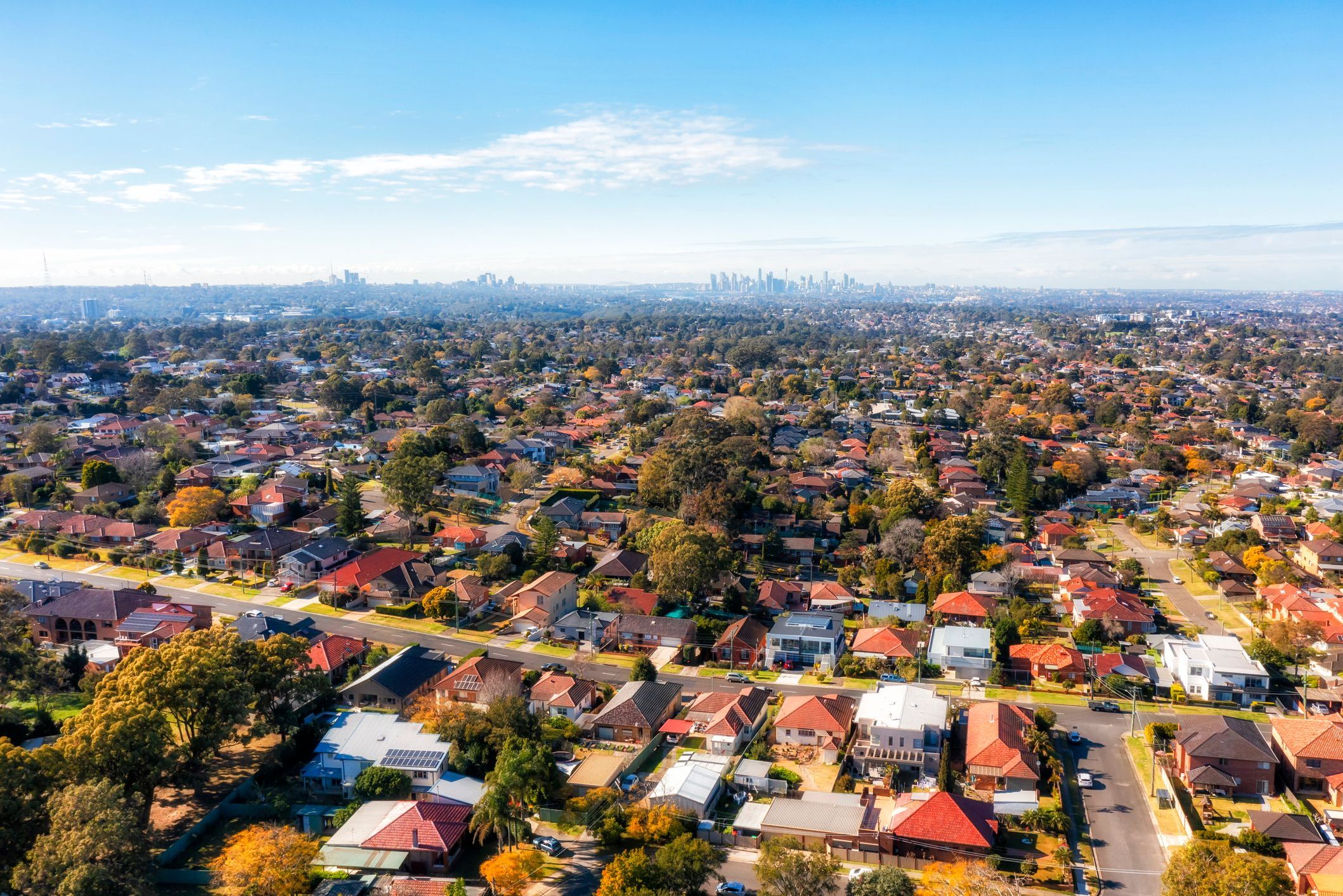
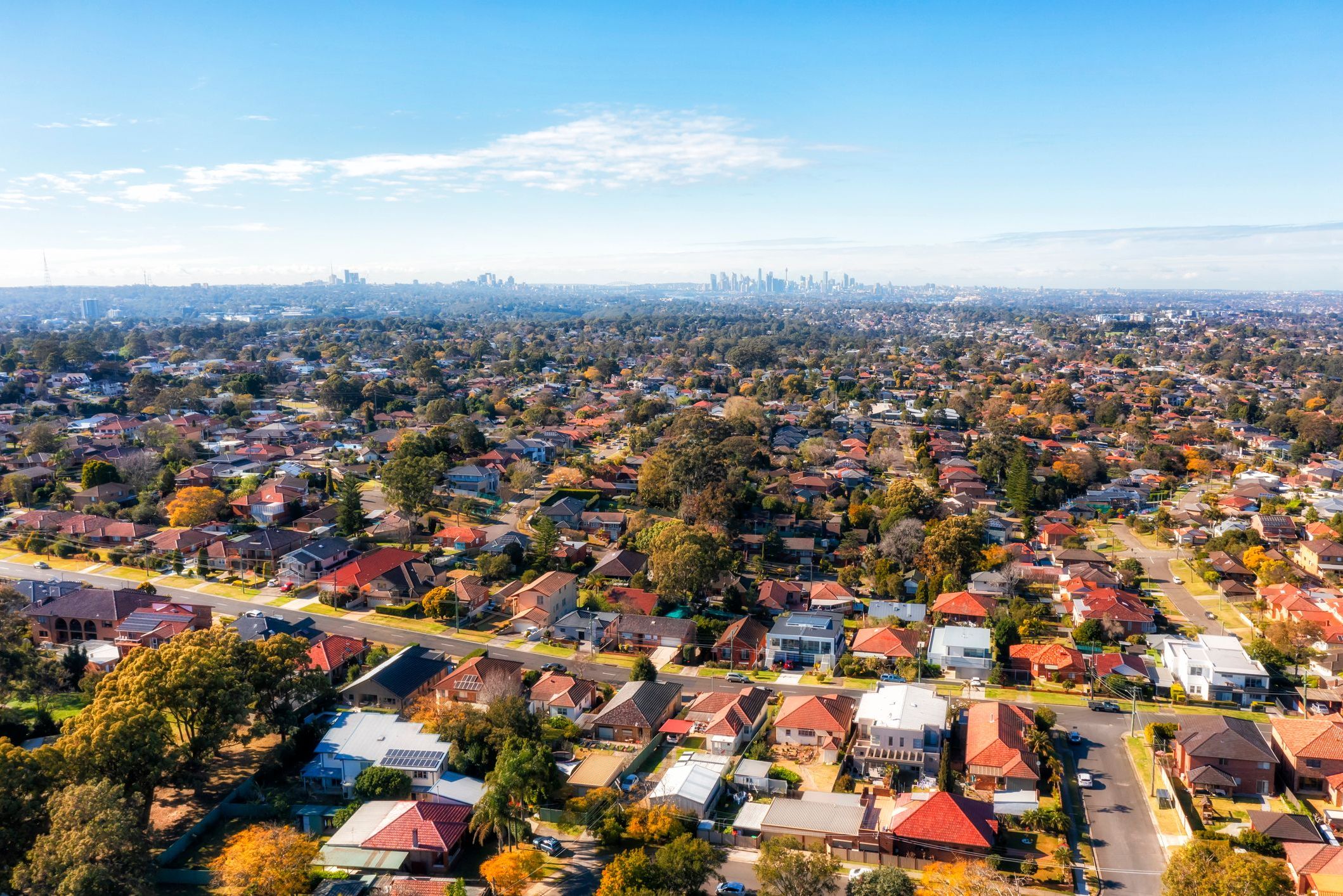
日本では東京都心部を中心として住宅価格の上昇が止まらない。国土交通省によると、2010年平均を100とした不動産価格指数 (住宅) は、2025年9月には住宅総合で145.4、マンションについては222.2 (いずれも季節調整値) に至るなど(*1)、15年間で1.5-2倍超の価格となっている。特に、2020年のコロナショック後から上昇スピードが加速しており、これは全世界的な建築需要の高まりによって資材費が高騰したこと、ウクライナ戦争の影響で物流・エネルギーコストも高まったこと、そして我が国の場合は加えて人手不足に伴って人件費も上昇したことが影響したとみられている。oその我が国を上回る速度で住宅価格が上昇しているのがオーストラリアである。例えば、シドニーでは2010年に約58万豪ドルだった戸建住宅の取引価格 (中央値) は2025年第3四半期には約146万豪ドルへと2.5倍に上る幅で大きく上昇した (図1)。なぜ、これほどにオーストラリアの住宅価格は激しく上昇しているのだろうか。英語版はこちら>>
規制を超えて挑む 豪州サプリ市場で見つける成長のヒント
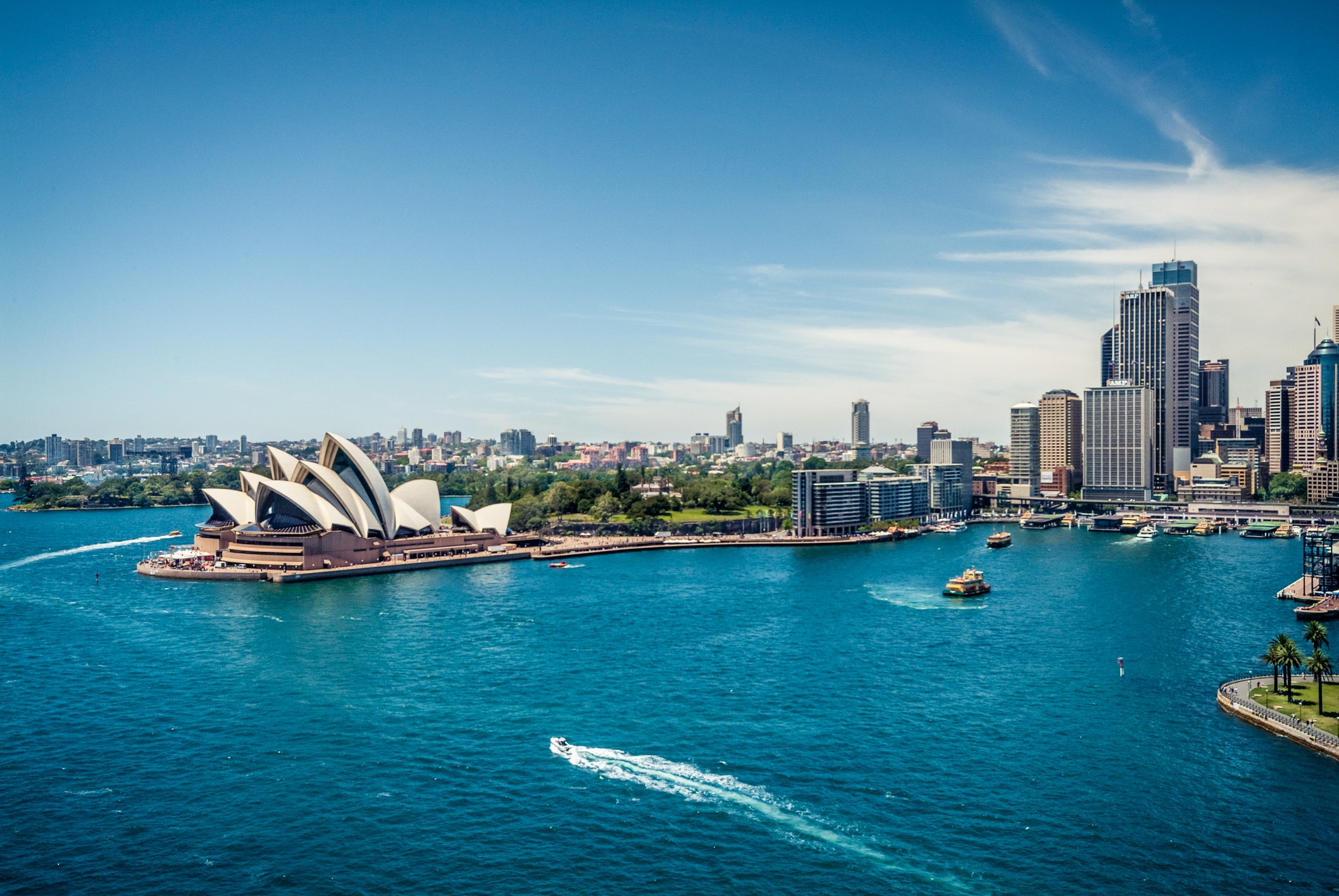
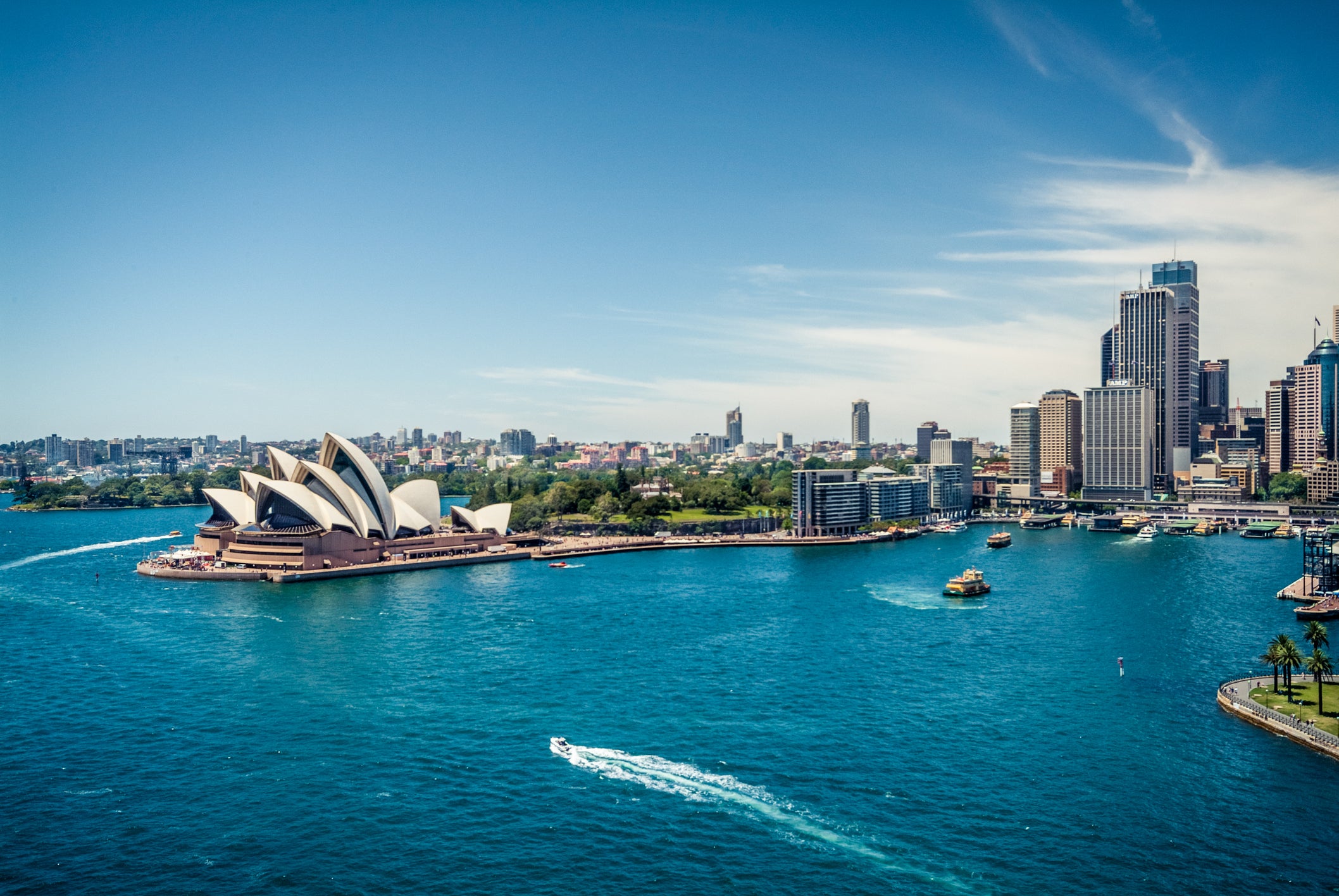
サプリメント百花繚乱の時代である。日本のドラッグストアに行けば、各種ビタミン・カルシウム・鉄等の健康状態を整えるための製品はもちろんのこと、最近では睡眠の質を高める製品や糖質・脂肪の吸収を抑制して体型維持に資する製品なども存在感を高めている。高齢化に伴う健康維持需要の高まりが背景にあることが想起されるが、病気に罹患する前からあらかじめ手を打つ予防医療の概念が浸透しつつある可能性もある。いずれにしても、サプリメントを手掛けるコンシューマーヘルス企業にとっては魅力的な市場環境であるといえよう。さて、同様にサプリメント百花繚乱なのがオーストラリアである。ドラッグストアに行くと日本でもおなじみの各種ビタミンや鉄・マグネシウム等はもちろん、「肝臓デトックス」や「65歳以上男性向け」はたまた「健康脳」等、当地ならではの製品を数多く見ることができる。しかし、当地では高齢化は日本と比べると緩やかであり、国民に占める65歳以上人口の割合は2024年時点で日本の29.8%に対してオーストラリアは17.7%である(*1)。日本とは状況が異なるはずのオーストラリアで、なぜサプリメント市場は活況を呈しているのだろうか。英語版はこちら>>
Further Connecting Sport and Healthcare Targeting 2032
In March 2026, a conference of JASHIE (Japan–Australia Sports & Healthcare Innovation Exchange) was held in Brisbane. At the meeting, a Memorandum of Understanding was signed with the Queensland Government to accelerate innovation in sport and healthcare, involving the Japan–Australia exchange organization JA Network, major sports equipment company Mizuno, and the Future Medical Promotion Organization (Nakanoshima Qross). Deloitte is also participating in this framework as a member and seeks to contribute to strengthening Japan–Australia collaboration toward the major international sporting event planned in Brisbane in 2032.
オーストラリア医療制度から見える日本の未来とビジネスチャンス
日本では医療費の増大とそれに伴って増え続ける現役世代の社会保険料負担が社会的な課題となっている。そして、医療資源配分最適化とそれを通じた医療費抑制の文脈の一環で良く語られるのが「かかりつけ医制度」である。複数医療機関の重複受診やいわゆる「コンビニ受診」が一部医療機関の負荷を高めかつ医療費の増大を招いていることから、地域の「かかりつけ医」にゲートキーパー役としての役割を担ってもらい、患者が真に必要なものに絞って然るべき医療機関で診療を受けられるようにし、偏りや無駄の抑制を図るものである。さて、このかかりつけ医 (以下、「GP (General Practitioner・総合診療医)」) 制が医療システムの前提として確立されているのがオーストラリアである。英語版はこちら>>
Investment tips for Australia through a Japan–Australia comparison – Consumer Health: The sources of competitiveness of Australia’s supplement industry
Australia is similarly a place where supplements are flourishing. Visit a drugstore and, alongside familiar products such as vitamins and iron or magnesium, you will also see many offerings unique to the local market—such as “liver detox,” “for men aged 65+,” and even “brain health.” However, Australia’s population is aging more gradually than Japan’s, and the share of people aged 65 and over is 17.7% in Australia versus 29.8% in Japan as of 2024[*1]. Given these differences, why is the supplement market in Australia so robust?
Japan’s Future and Business Opportunities Through the Lens of Australia’s Healthcare System
In Japan, rising healthcare costs—and the steadily increasing social insurance premium burden on the working-age population that comes with them—have become a major social issue. One measure often discussed in the context of optimizing the allocation of healthcare resources and, in turn, curbing healthcare spending is a “family doctor” (primary care) system.Repeated visits to multiple medical institutions and so-called “convenience-store visits” (seeking care at any time for relatively minor issues) can place undue strain on certain providers and contribute to higher overall costs. The idea, therefore, is for local family doctors to act as gatekeepers—helping patients access the most appropriate provider for what they genuinely need, while reducing imbalances and waste in the system.Australia is a country where this family-doctor model—hereafter the GP (General Practitioner) system—is embedded as a core assumption of the healthcare system.
Mechanisms Driving House Price Increases in Australia and Opportunities for Japanese Developers / House Builders
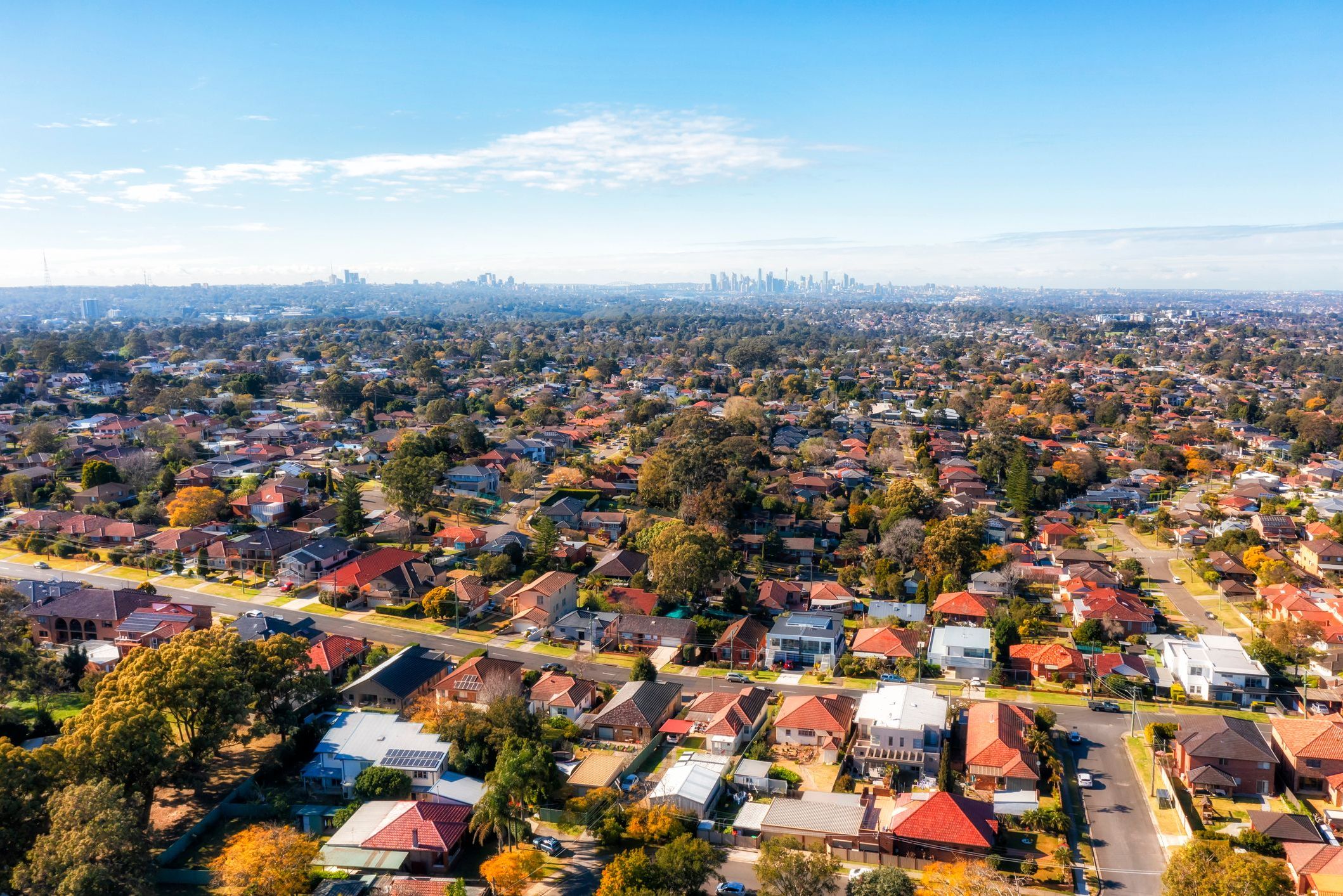
Housing prices continue to rise, particularly in central Tokyo. According to the Ministry of Land, Infrastructure, Transport and Tourism, the real estate price index (housing), which is based on a 2010 year average of 100, reached 145.4 for housing overall and 222.2 for condominiums in September 2025 (both seasonally adjusted values), representing more than 1.5-2 times over the past 15 years. [*1] In particular, the pace of increase accelerated after the COVID-19 shock in 2020, which is thought to have been influenced by a rise in material costs due to a rise in global demand for construction, a rise in logistics and energy costs due to the Ukrainian War, and, in the case of Japan, a rise in personnel costs due to a labor shortage.